
Let’s build something great together. Contact us today for a free consultation
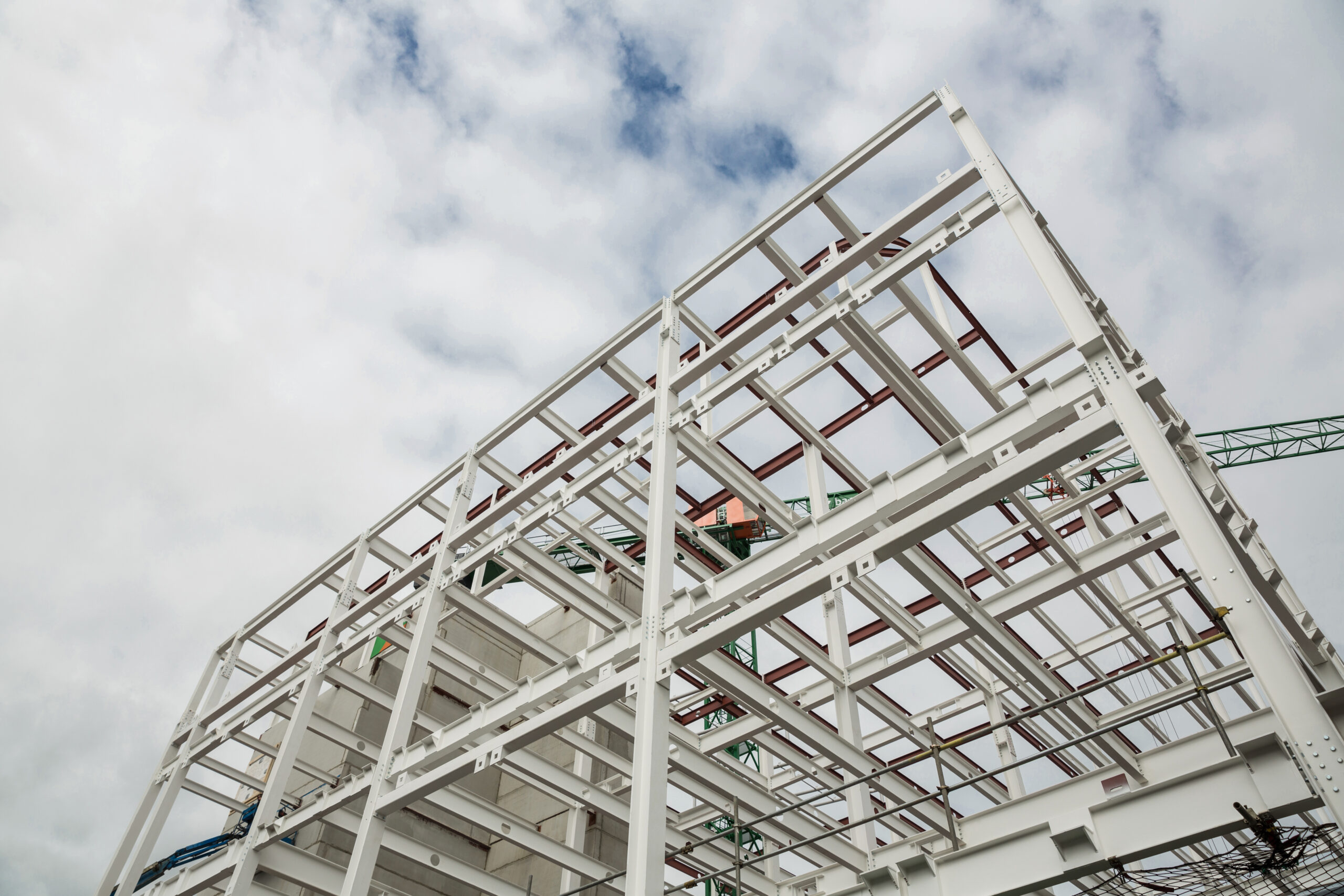
While we cannot anticipate weather behavior, we can anticipate disaster, and we can engineer smarter to mitigate disasters. Earthquakes, specifically, can be threatening to buildings and infrastructure. At Intaura, we believe safety and resilience should not be an afterthought. This is why seismic design is a major part of our engineering philosophy. The fact is, through innovation and structural experience, we can help construct places that are not only strong but also resilient.
1. Earthquakes Are Becoming More Common
There is a growing amount of seismic activity around the world, including in several areas of India. Some areas that were previously considered safe now face moderate to high seismic risk. Building structures that are not created to resist seismic forces will likely experience significant damage, and the lives of the people residing in these buildings can be at risk.
2. Engineering for Resilience, Not Just Strength
While traditional constructions are designed for strength, resiliency is the focus in seismic zones. Seismic-resistant buildings absorb and redistribute the kinetic energy from an earthquake, reducing the likelihood of collapse. This design will ensure public safety and ensure that buildings remain operational after a seismic event.
3. Modern Materials and Technology Help
Engineers today have access to new materials, advanced software, and resources to improve seismic performance. From base isolation systems and dampers to flexible joints and dynamic modelling, technology plays a critical role in the design and construction of earthquake-safe buildings. Ultimately, Intaura utilizes the most current design software and structural systems for all projects to guarantee every structure adheres to the most modern safety standards.
4. Cost-Effective in the Long Run
Even though seismic-resistant design may appear to be an additional expense during construction, it is an investment that saves money over time. A properly designed building will avoid costly repairs and repairs you must complete after an earthquake and protect people, property, businesses, and public resources from losses.
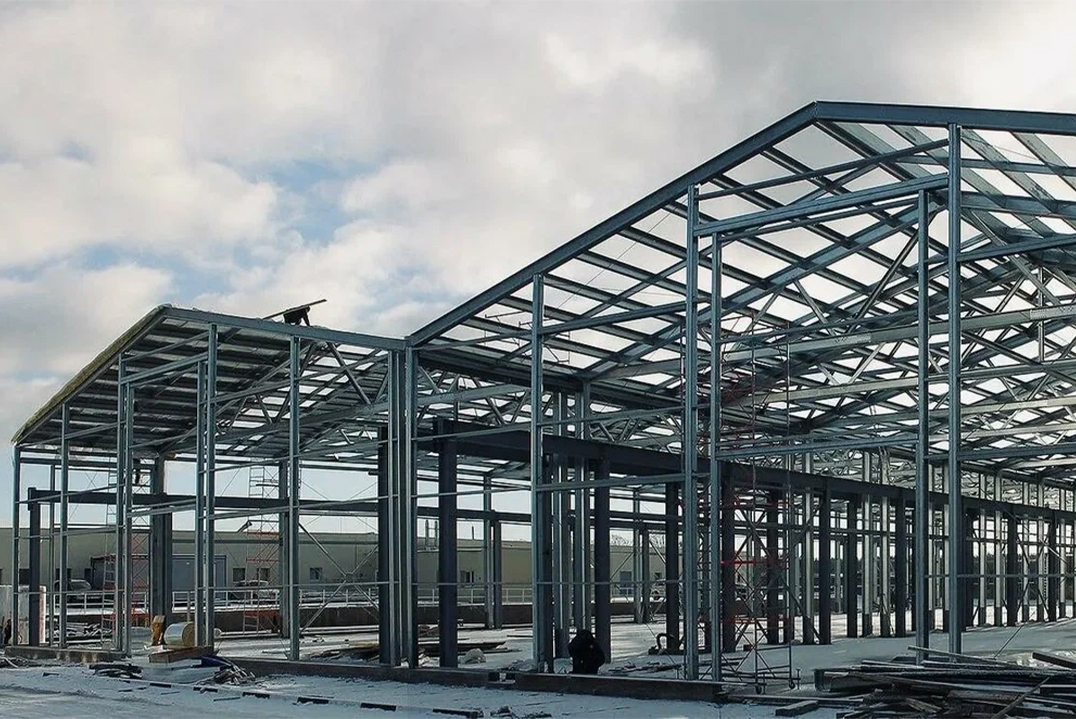
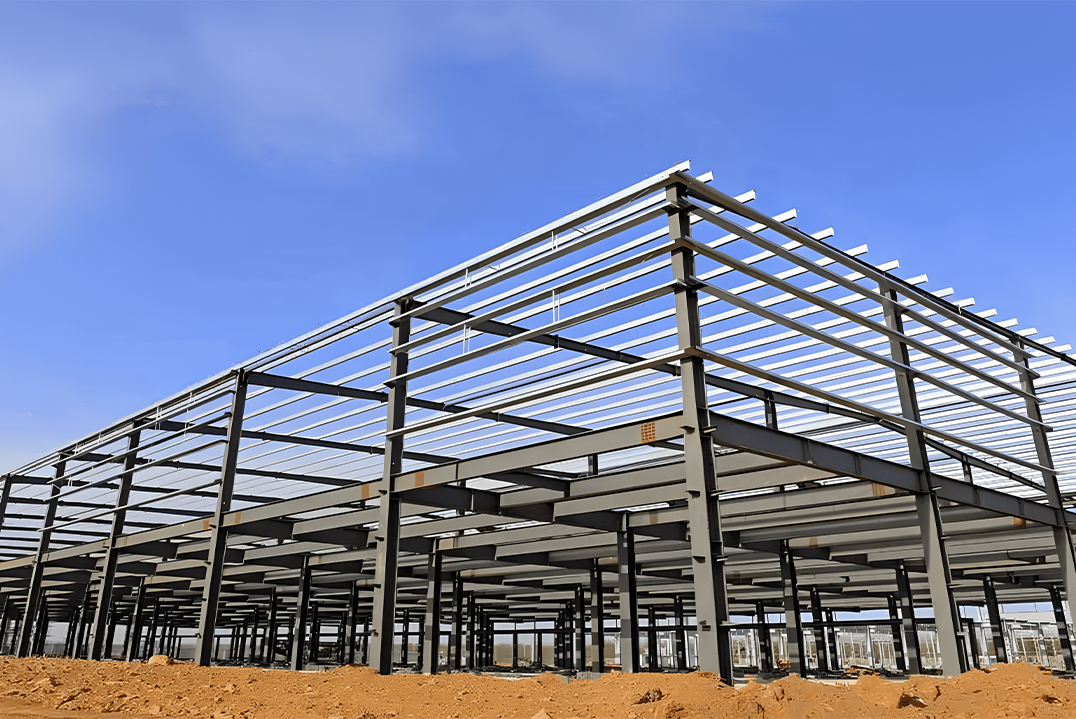
As we move toward smarter and safer cities, seismic-resistant construction must become the standard—not the exception. At Intaura, we are committed to building a future where safety, technology, and sustainability work hand in hand. If you’re planning a new project or upgrading an old one, let’s talk about how we can make it safer and more resilient from the ground up.
Contact us today for reliable, future-ready engineering solutions you can trust.
Post Tags:

Intaura Consultants LLP| India’s trusted name in Engineering, Construction, and Smart Tech Integration for homes and workspaces. Proudly transforming homes and offices across India.
Copyright © 2025 INTAURA CONSULTANTS LLP, All Right Reserved. Powered By Click You Design